
Can Audi Build an F1 Legacy to Rival Ferrari?
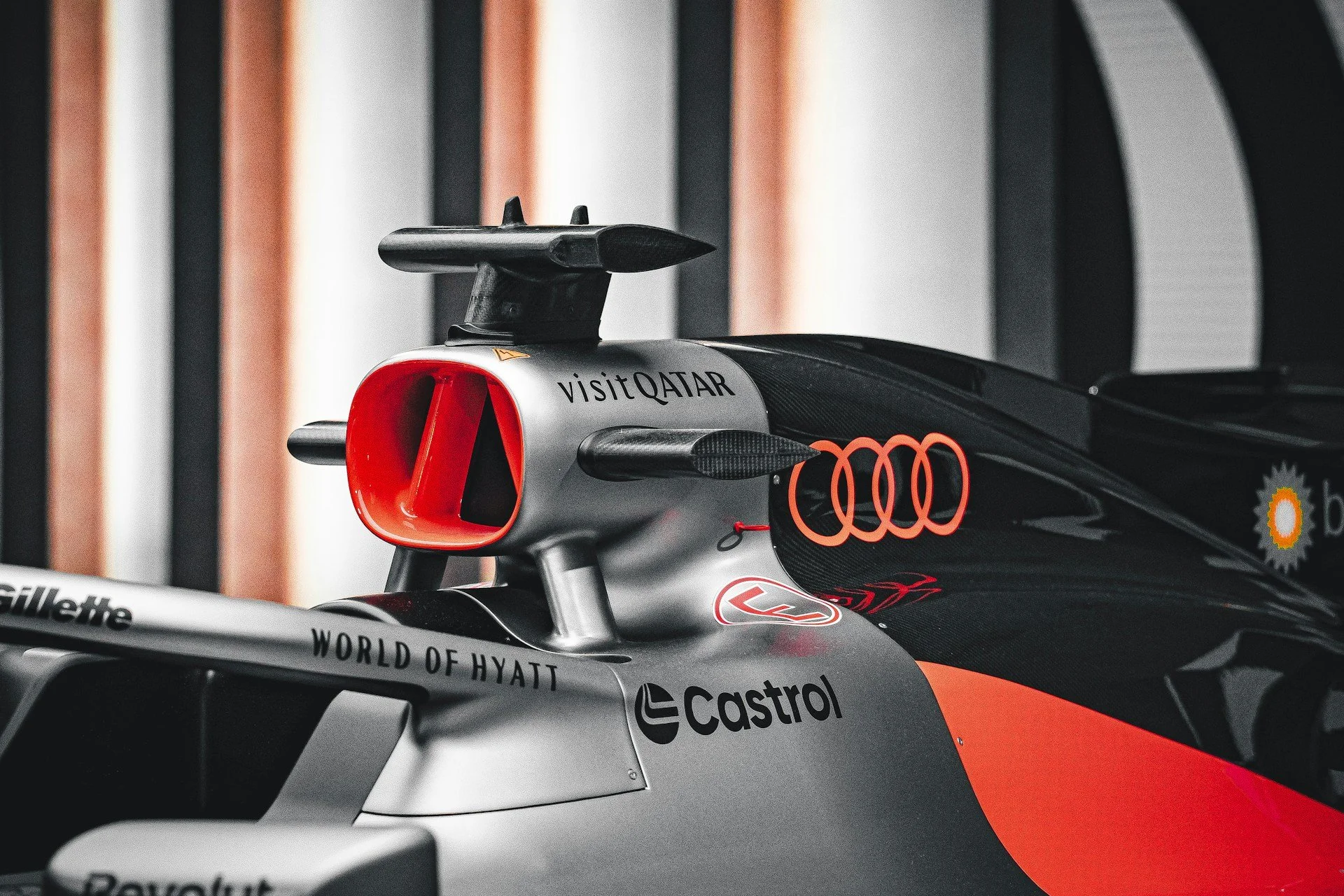
Audi has won just about everywhere it has raced. Formula 1 was the exception, until 2026.
After taking over Sauber, Audi arrived on the grid as a full works team, building both the car and its own power unit. It is the German brand’s first Formula 1 campaign, but not its first attempt to use motorsport as a proving ground. Audi has already made its name in rallying, touring cars and endurance racing, including 13 overall victories at Le Mans.
That gives Audi credibility. What it does not give Audi is a Formula 1 legacy.
Audi is not starting from zero
Few manufacturers enter F1 with Audi’s record. The quattro era changed rallying, while Audi’s long run at Le Mans produced some of the most successful endurance cars of the modern era. Its reputation was built around doing difficult things differently: four-wheel drive, diesel power and hybrid technology all became part of the brand’s racing identity.
The timing of its F1 arrival also makes sense. The 2026 regulations increased the role of electrical power and introduced fully sustainable fuel, giving manufacturers more reason to connect Formula 1 development with the future of their road cars.
Audi therefore has a believable reason to be here. It is not simply adding its badge to the grid. It has entered at a moment when the sport’s technical direction suits the way Audi likes to present itself: modern, efficient and engineering-led.
Ferrari’s advantage cannot be engineered overnight
Ferrari has something Audi cannot buy or fast-track.
The Scuderia made its Formula 1 debut at Monaco in 1950 and remains the only team to have competed in every season of the World Championship. Generations of drivers, victories, disappointments and rivalries have made Ferrari feel less like one entrant among many and more like part of the sport itself.
That history also reaches beyond the track. Ferrari’s race team, road cars, factory and hometown of Maranello all reinforce the same identity. A Ferrari road car carries some of the theatre of the Scuderia, even when the two machines share little beyond a badge and a philosophy.
Audi has strong road cars and a deep motorsport record. What it has not yet built is that same emotional link between its Formula 1 team and the people watching from the grandstands.
What would it take to rival Ferrari?
Race wins would be a start, but they would not be enough.
Audi would need to remain committed when results are poor, develop drivers and rivalries that fans remember, and create a style that feels recognisably its own. Ferrari’s legacy was not built through one dominant season. It came from showing up decade after decade, including during long periods when championships were out of reach.
That may be Audi’s biggest test. Manufacturers have entered Formula 1 before, spent heavily and left when the project stopped serving their wider business. Legacy requires patience, especially in a sport where progress is rarely linear.
Audi also should not try to copy Ferrari. Ferrari’s appeal is tied to history, emotion and the mythology of Maranello. Audi’s opportunity is different. It can build an F1 identity around technical ambition and the next generation of racing technology.
A serious rival, but not yet a historic one
Audi has the resources and racing experience to become competitive. In time, it may fight Ferrari for victories and championships.
But beating Ferrari on a Sunday is not the same as rivaling what Ferrari means to Formula 1.
That comparison will only become credible after years of commitment, memorable races and a clear identity of its own. Audi already has a motorsport legacy. Its Formula 1 legacy has only just begun.